
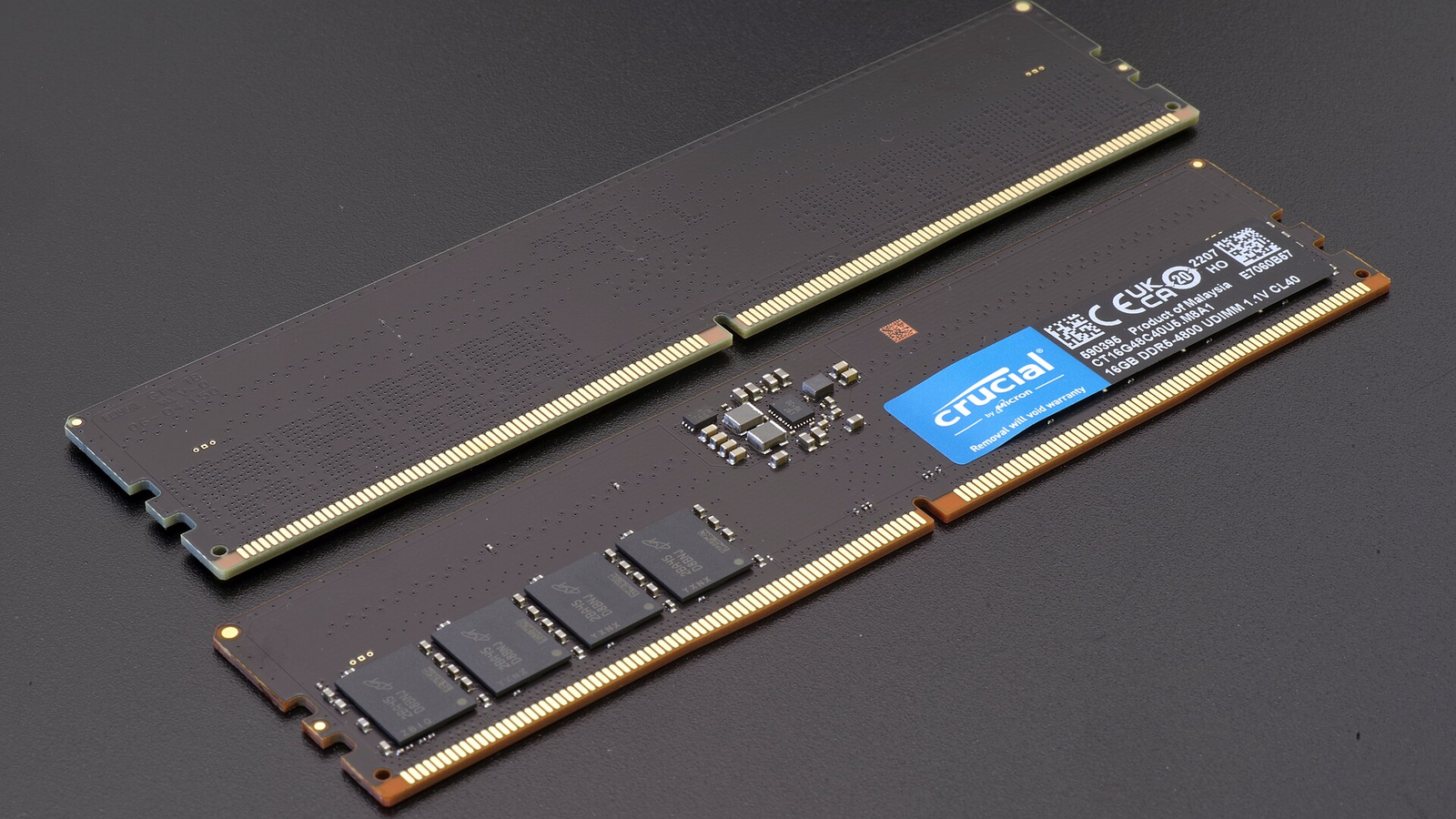
Memory that used to be a cheap upgrade is now the expensive part of a PC. Engadget’s August 15 explainer, citing PCPartPicker price graphs, says a pair of 16GB DDR5-4800 sticks went from under $100 at the start of 2025 to more than $400. A 32GB high-end DDR5-6000 kit that sat just under $250 is now more than $1,200 — in the neighborhood of a MacBook Air.
The squeeze is not a mystery chip shortage in the old sense. Three suppliers — Samsung, SK Hynix, and Micron — still make most of the world’s DRAM. The same wafers also feed HBM, the stacked memory that sits next to AI GPUs. Micron’s CEO has said one HBM unit uses about three times the wafer supply of consumer DDR5. DigiTimes, as cited by Engadget, claims 2027 RAM capacity is already sold through. SK Hynix’s CEO told Reuters conditions get worse in 2027 and that demand should outrun supply past 2030. Micron has talked about tight conditions beyond 2027 into 2028. Deloitte, in the same piece, does not expect relief before 2030.
New fabs are slow. SK Hynix has two new Korean memory plants at a combined $38.1 billion, with production flagged for June 2029 at the earliest. HBM also pays better, which is why Micron shut its Crucial consumer brand to serve bigger customers. People shopping a 32GB kit today are bidding against data-center buildouts. Engadget’s advice is blunt: do not panic-buy to scalp; buy if you truly need the RAM for years, otherwise live with what you have.
Source: https://www.engadget.com/2236799/why-ram-prices-so-high/
